Ad Astra
Intelligent Campus Event Recommendation Engine
"Turning scattered campus chaos into your personal event feed"
Submitted
May 14, 2026, 6:14 PM
Last Updated
May 23, 2026, 7:13 AM
Project Links
Problem Statement
College campuses host dozens of events daily across clubs, departments, and student bodies, yet discovery remains fragmented across WhatsApp groups, posters, Instagram, and word-of-mouth. Students consistently miss relevant events aligned with their interests, organizers struggle with low turnout and zero attendance analytics, and institutions lack a centralized, searchable archive of campus activity.
Solution & AI Usage
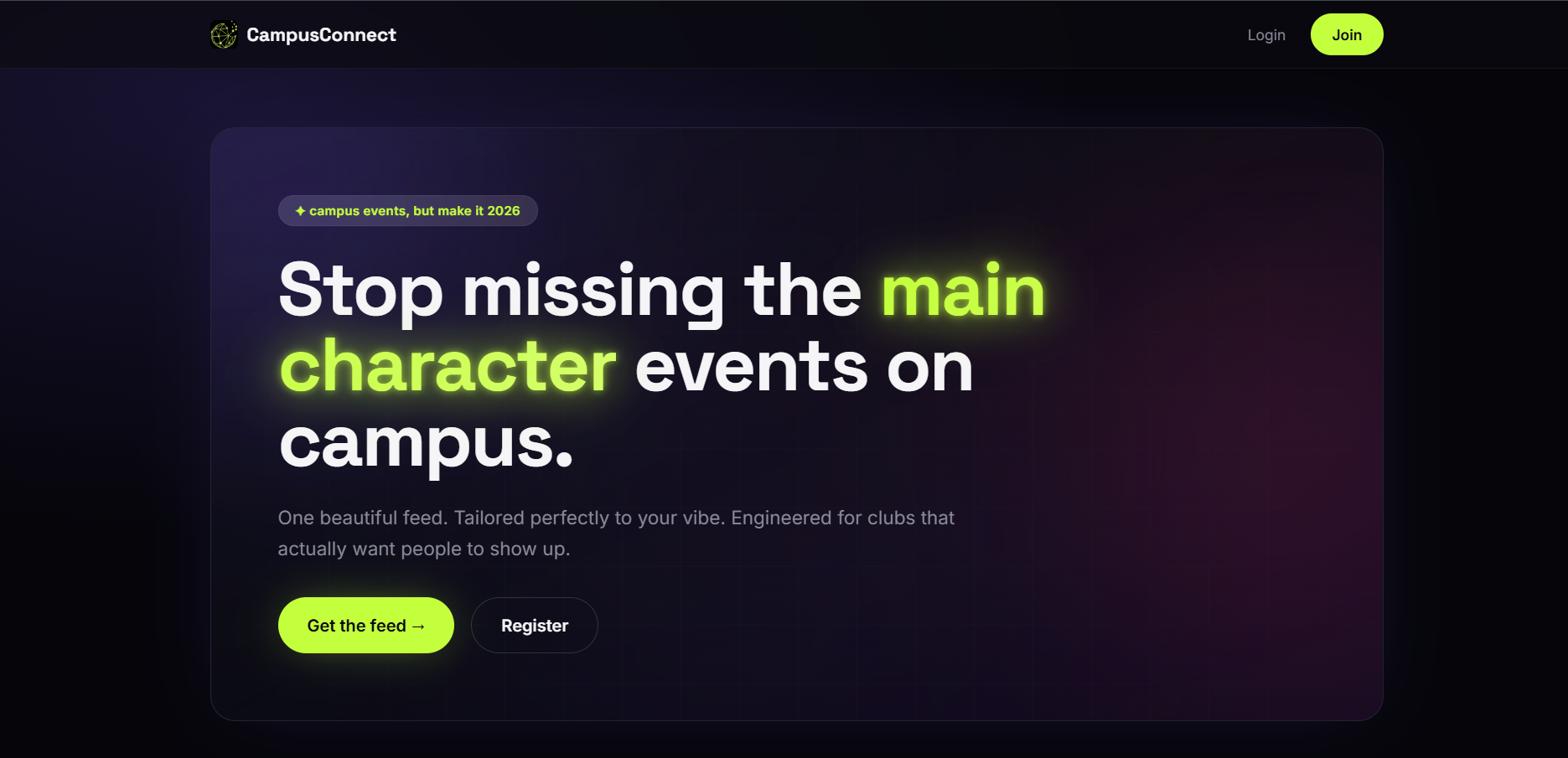
“UniVerse” - Build a unified campus event platform with an intelligent recommendation engine that personalizes suggestions based on student interests, academic department, past attendance, and peer activity using collaborative and content-based filtering. Features include one-tap RSVP, QR-based check-ins, organizer dashboards with real-time analytics, smart notifications, calendar sync, and a permanent searchable event archive.
Full Description
Intelligent Campus Event Recommendation Engine
Overview A unified web platform that consolidates fragmented campus event channels (WhatsApp, posters, Instagram) into one intelligent hub — delivering personalized recommendations, streamlining organizer workflows, and building a permanent institutional archive.
Key Features
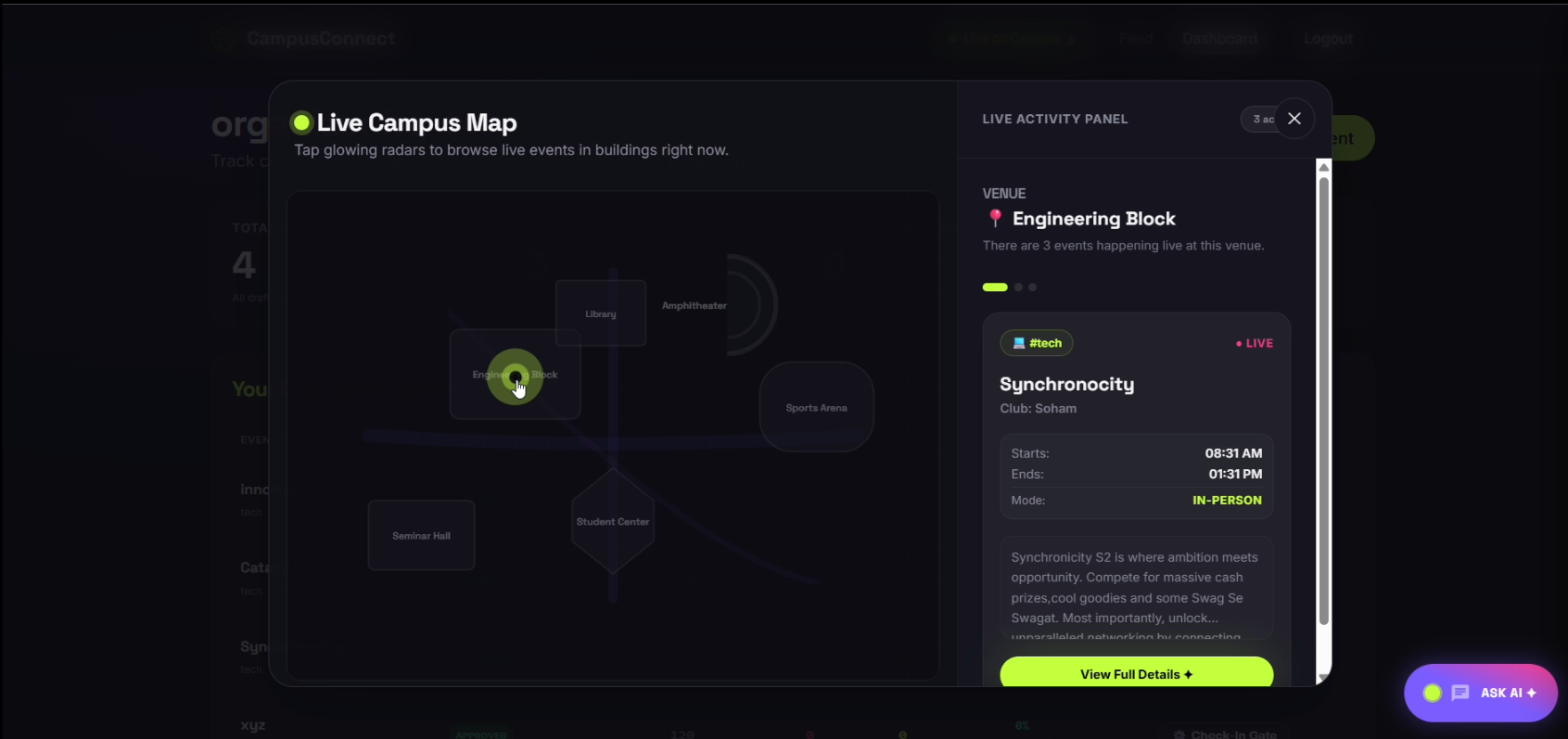
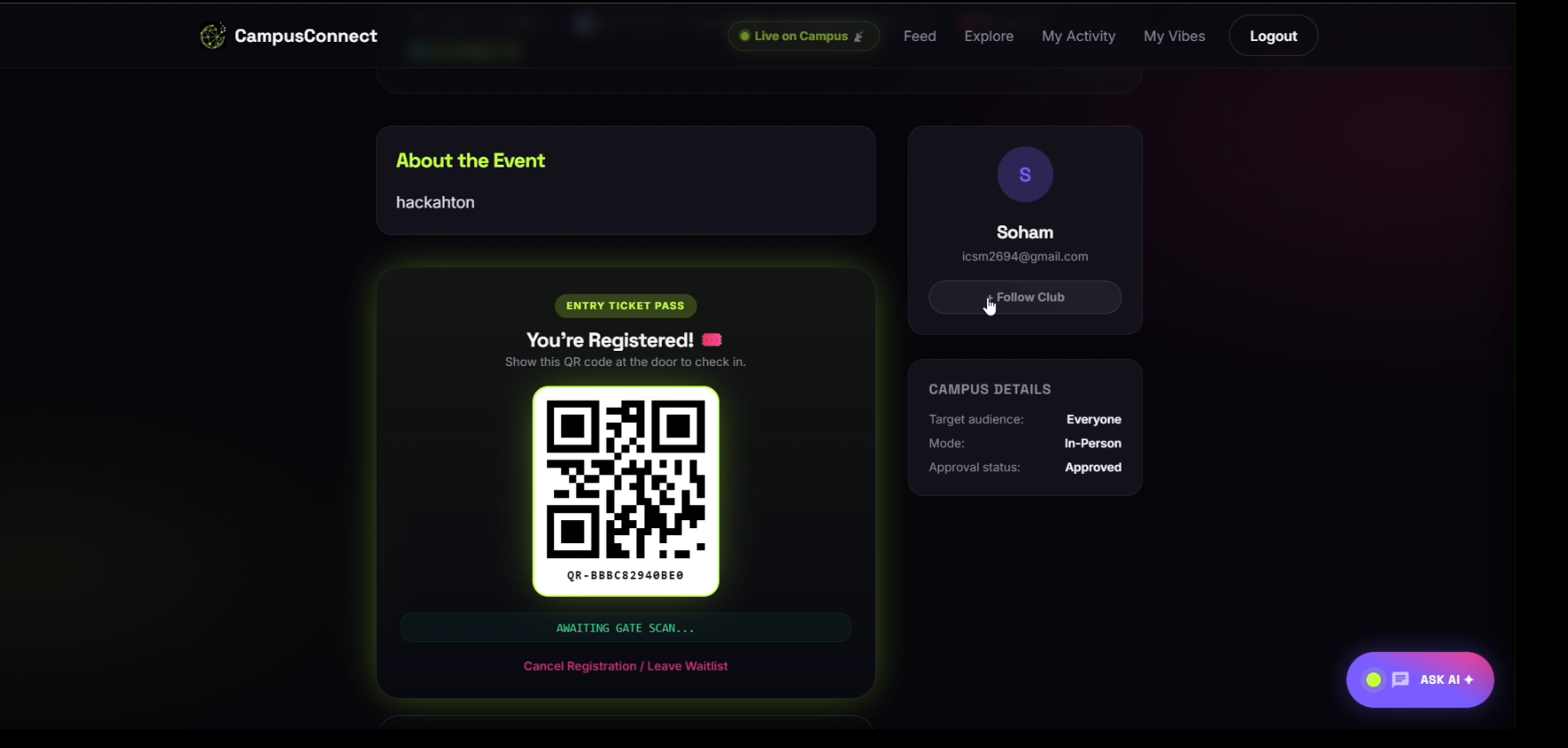
Students: Personalized "For You" feed via hybrid recommendations; smart filters by category, department, date, venue; one-tap RSVP with waitlists; QR-based check-in; calendar sync (.ics); context-aware reminders via push, email, WhatsApp; auto-generated digital certificates.
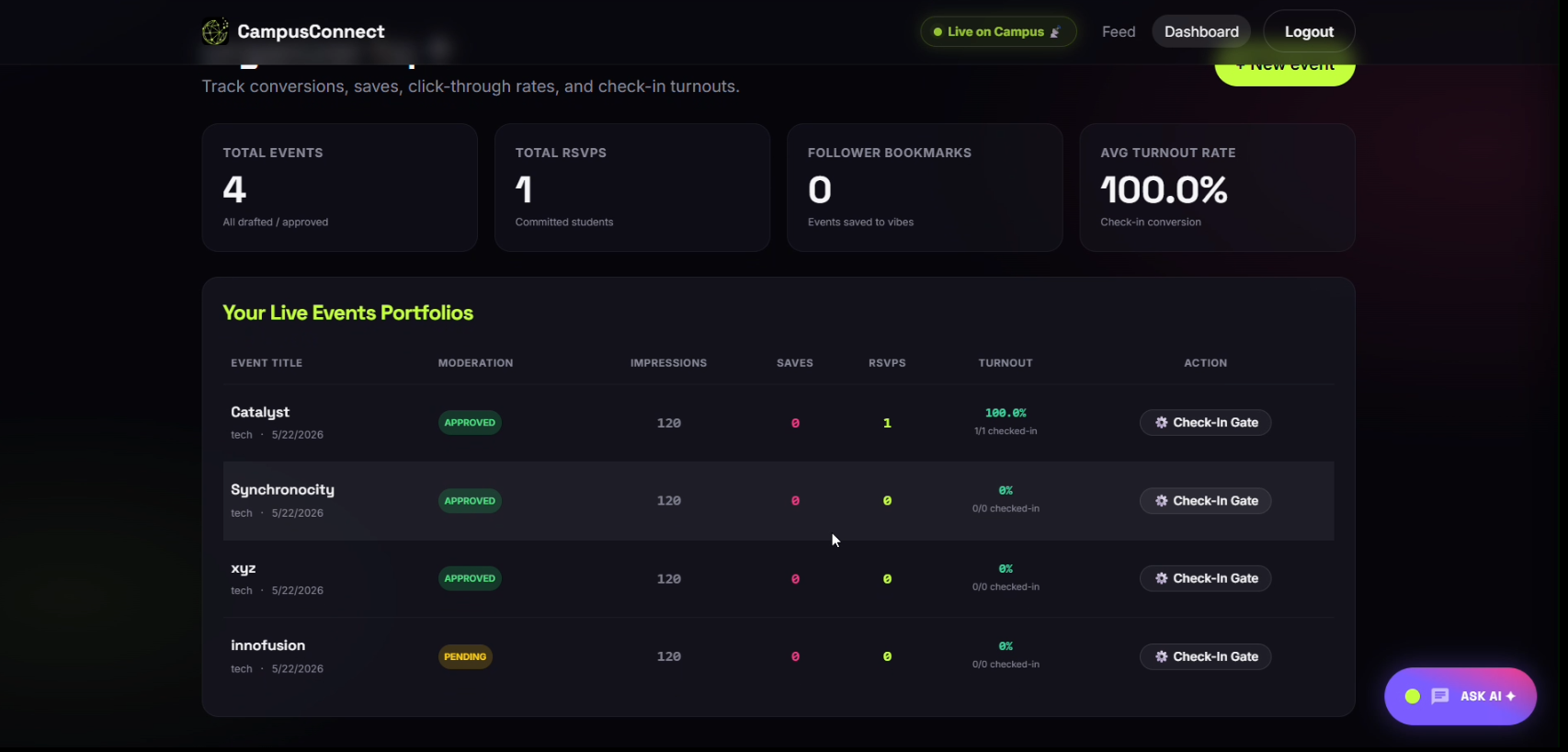
Organizers: Guided event creation wizard; real-time analytics dashboard (RSVPs, check-in rates, demographics, funnels); cohort-based audience targeting; auto-triggered feedback surveys with sentiment analysis.
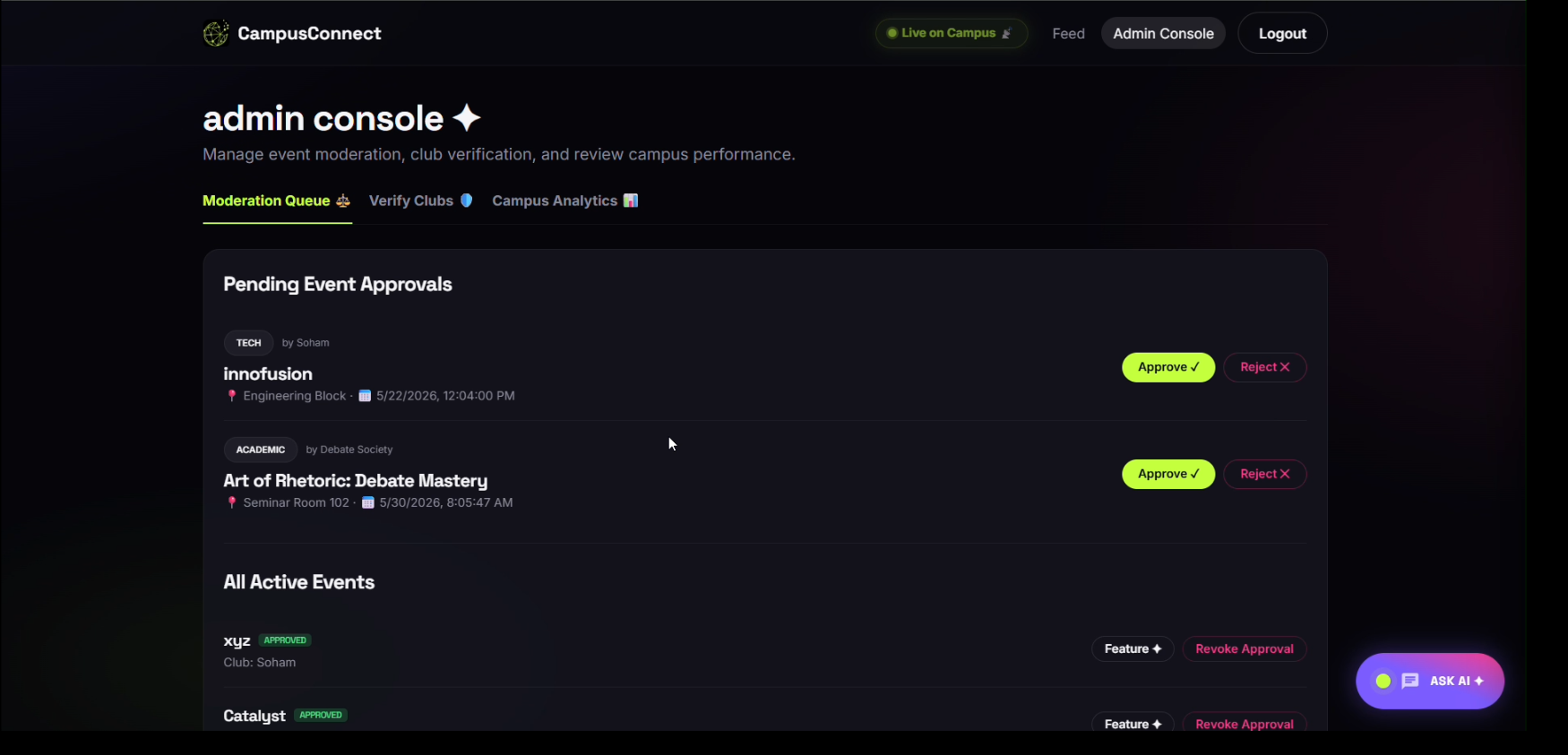
Admins: Approval and moderation console with conflict detection; searchable institutional archive; cross-club insights and engagement heatmaps.
Architecture A Next.js client layer (student, organizer, admin UIs) talks to a Node.js + Express API gateway handling auth, rate limiting, and routing. Downstream microservices cover Events, Recommendations (Python/FastAPI), Notifications, and Analytics. Data sits in PostgreSQL (primary), Redis (cache and precomputes), S3 (media), with Kafka streaming interaction events.
Stack: Next.js 14, TypeScript, Tailwind, shadcn/ui, Node.js, FastAPI, PostgreSQL, Redis, Kafka, scikit-learn, implicit-ALS, OAuth 2.0 + JWT, Socket.IO, FCM, SendGrid, Twilio, Docker, AWS ECS, GitHub Actions.
Recommendation logic: Hybrid — TF-IDF content-based model + collaborative filtering on implicit feedback, re-ranked with freshness, date proximity, and diversity penalties. Cold-start handled via interest onboarding and department defaults.
Data Model
Core entities: User, Event, RSVP, CheckIn, Club, Notification, Feedback. Users follow clubs; events carry tags, capacity, and lifecycle states. Every interaction is logged into EventInteraction, feeding the recommendation engine.
Challenges Cold-start was solved via a 30-second interest quiz plus department defaults. Scheduling conflicts required a constraint layer checking venue, time, and audience overlap. Peak-load RSVP rushes (midnight fest registrations) pushed us to Kafka streaming with pre-aggregated Redis counters. Notification fatigue was tamed via per-user budgets and intelligent batching capped at three pushes daily.
Learnings Hybrid recommenders work best when explainable — "Because you attended X" tags built trust. Organizer UX matters as much as student UX; painful event creation starves the platform. Event-driven architecture made new features (leaderboards, rankings) plug-and-play consumers. Most importantly, adoption is a product feature — integrations with Google Calendar, WhatsApp, and college SSO mattered more than novel ML in driving switching behavior.
Future Scope React Native mobile app, gamified attendance streaks, LLM-g
Tech Stack
Screenshots
5 attached